Understanding Mobility Aids: Enhancing Independence and Quality of Life
As society continues to age and individuals increasingly look for ways to maintain self-reliance, the need for mobility aids has actually never ever been more pertinent. Mobility aids, which encompass a series of devices created to help people with strolling or moving around, play a vital function in promoting mobility, boosting safety, and improving general quality of life. This article will check out the different types of mobility aids, their advantages, factors to consider for selection, and address some frequently asked questions.
Types of Mobility Aids
Different mobility aids are available, each designed to attend to specific requirements. The following table sums up some of the most typical types of mobility aids and their functions.
| Type of Mobility Aid | Description | Best Suited For | Key Features |
|---|---|---|---|
| Canes | A portable stick offering assistance and balance. | Individuals who require very little support. | Light-weight, portable, adjustable height. |
| Walkers | Four-legged frames providing stability. | Those requiring significant assistance while strolling. | Foldable, some with wheels, included safety features. |
| Rollators | Wheeled walkers with a seat for resting. | People needing mobility with the choice to rest. | Brakes, baskets for personal items, adjustable height. |
| Wheelchairs | Chairs with wheels for individuals with restricted mobility. | Those not able to walk or needing comprehensive support. | Manual or powered options, personalized seating. |
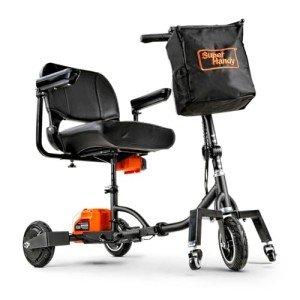
| Scooters | Motorized devices for bigger distances. | Individuals with limited endurance however needing self-reliance. | Various sizes and styles, frequently portable. |
| Crutches | Support devices put under the arms or forearms. | People recovering from lower limb injuries. | Adjustable, lightweight, needs upper body strength. |
| Stairlifts | Mechanical devices for moving between floors. | Users facing challenges in multi-level homes. | Personalized for various staircases, automated. |
Benefits of Mobility Aids
Mobility aids provide a selection of advantages that can considerably improve the lives of people dealing with mobility challenges. Some notable benefits consist of:
- Increased Independence: Mobility aids empower individuals to move freely without relying on others for support, therefore improving their self-confidence and self-confidence.
- Improved Safety: Using mobility aids can lower the danger of falls and injuries, particularly for older adults or those with balance problems.
- Improved Quality of Life: By helping with mobility, individuals can take part in social activities, go to occasions, and enjoy life more totally, contributing to much better psychological and mental health.
- Rehabilitation Support: After surgical treatment or injury, mobility aids provide required support and stability, aiding in healing and rehab processes.
- Ease of access: Many mobility aids are developed to be utilized both inside and outdoors, ensuring that individuals can browse various environments with ease.
Aspects to Consider When Choosing Mobility Aids
Choosing the appropriate mobility aid needs mindful factor to consider of numerous elements, including:
| Factor | Factors to consider |
|---|---|
| User's Needs | Assess the level of mobility required; consider whether the user requires temporary or long-lasting help. |
| Physical Limitations | Evaluate the user's strength, balance, and coordination to figure out the very best kind of help. |
| Setting | Consider the primary environments where the help will be used, such as home, outdoors, or specific surfaces. |
| Weight and Portability | Make sure that the selected gadget is manageable relating to transportability and storage, especially for outside usage. |
| Budget | Mobility aids been available in a range of prices; consider insurance coverage and available funding options. |
| Adjustability | Pick aids that can be adjusted for height and convenience to accommodate development or changing needs. |
Frequently Asked Questions About Mobility Aids
1. How do I know if I need a mobility aid?
Numerous factors can indicate the need for a mobility help, such as trouble strolling or balancing, fatigue while standing, or a current surgical treatment affecting mobility. Consulting with a health care professional can offer guidance tailored to private requirements.
2. What types of mobility aids are covered by insurance coverage?
Protection differs between insurers, but most provide choices for resilient medical devices, which typically consists of wheelchairs, walkers, and some types of walking sticks. Consult your insurance coverage supplier for particular coverage info.
3. Can mobility aids be used outdoors?
Yes, numerous contemporary mobility aids are developed for outdoor use. Rollators, scooters, and some walkers are geared up with features for stability and ease of usage on different surface.
4. How do I maintain my mobility aid?
Regular upkeep includes inspecting for any wear and tear, ensuring that parts such as wheels, brakes, and frames are working properly, and cleaning up the equipment as required. Following the maker's standards is vital for security.
5. Exists a risk of becoming depending on mobility aids?
While some users may end up being reliant on mobility aids, they are created to promote independence and mobility. Gradually using a mobility help can boost self-confidence and assistance maintain physical strength and coordination.
Mobility aids are indispensable tools that empower individuals to get rid of physical obstacles, promoting self-reliance and boosting lifestyle. By comprehending the numerous types of mobility aids readily available, their benefits, and crucial factors for consideration, households and caregivers can make educated decisions that best meet the requirements of their enjoyed ones. With find out here , those with mobility obstacles can lead fulfilling and active lives, free to check out the world around them.